


Discover sustainable marketing, the essential trend for modern businesses. This article analyzes its definition, benefits, effective strategy-building, and key examples, confirming it as the key to long-term growth and success.
In a world facing immense challenges of climate change, resource depletion, and social inequality, consumers are becoming increasingly conscious of the impact of their purchasing choices. They seek not only quality products at reasonable prices but also wish to support responsible brands that work towards a better future. This shift in consciousness has fueled an inevitable trend in the marketing industry: Sustainable Marketing. It is no longer a "nice-to-have" option but has become a strategic imperative that determines the long-term survival and success of a business.
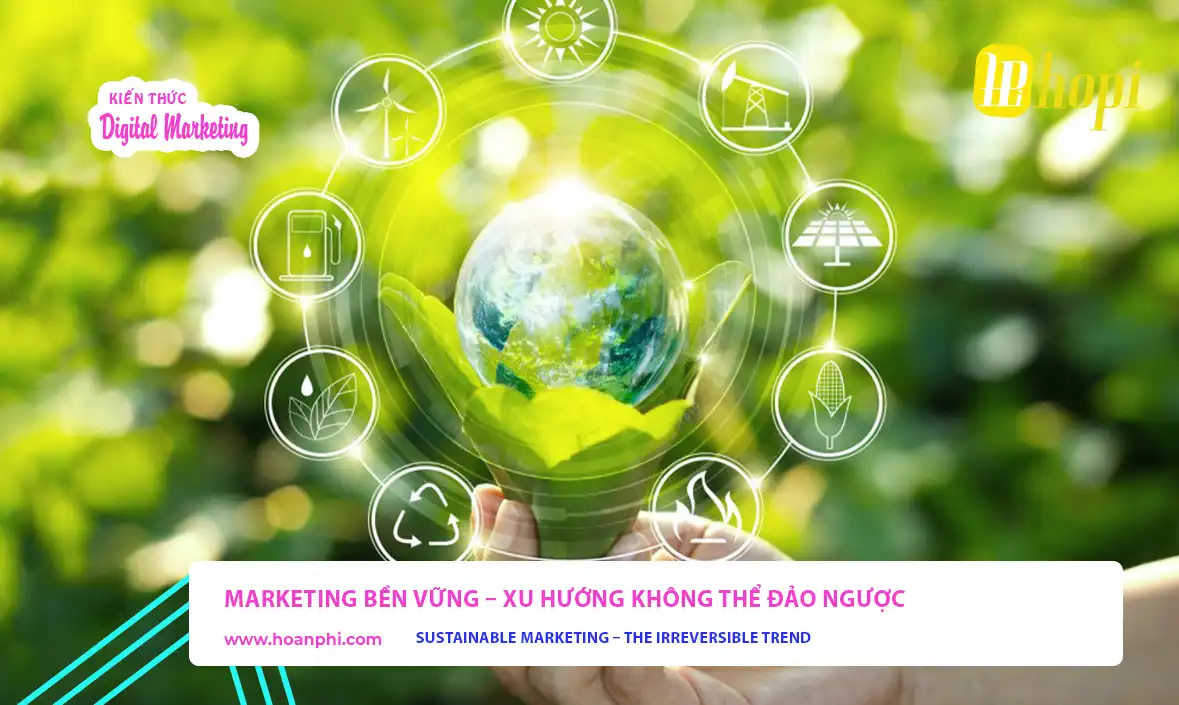
What is Sustainable Marketing and Why Does It Matter?
Sustainable marketing, also known as Green Marketing, is a holistic approach where businesses consider and integrate environmental, social, and economic factors (often called the Triple Bottom Line: People, Planet, Profit) into all their marketing activities. It goes far beyond simply advertising "green" products. It is a genuine commitment demonstrated throughout the entire value chain, from sourcing raw materials, production processes, packaging, and distribution, to how the product is used and disposed of.
The importance of sustainable marketing cannot be understated in the modern era. Firstly, it builds customer trust and loyalty. When consumers see a brand genuinely cares about social and environmental issues, they are more likely to trust and remain loyal to it. Secondly, it creates a distinct competitive advantage. In a saturated market, a commitment to sustainability can be the deciding factor that makes your brand stand out. Thirdly, it helps manage risks. Businesses that proactively address environmental and social issues are less likely to face media crises, strict legal regulations, or consumer boycotts in the future.
What are the Real Benefits of Sustainable Marketing for Businesses?
Applying sustainable marketing principles is not just an ethical act but also brings tangible and measurable economic benefits. Pioneering businesses in this field have proven that profit and sustainability can go hand in hand.
- Enhanced Brand Reputation and Image: A brand known for its sustainable practices enjoys a positive public image. This not only attracts customers but also fosters goodwill with investors, partners, and the community.
- Attracting and Retaining Talent: The new generation of employees, especially Millennials and Gen Z, tend to want to work for companies with a clear purpose and values. A strong commitment to sustainability is a magnet for top talent.
- Access to New Markets and Potential Customers: The "conscious consumer" segment is growing at a staggering rate globally. Sustainable marketing opens the door for businesses to reach and win over this promising customer group.
- Driving Innovation and Cost Optimization: The pressure to minimize environmental impact often acts as a catalyst for innovation. Businesses can discover more efficient production processes, use recycled materials, reduce waste, and save energy, thereby significantly cutting operational costs.
- Increased Resilience and Risk Mitigation: By diversifying supply sources to sustainable suppliers and reducing dependence on scarce natural resources, businesses can build a more flexible and robust supply chain against market and environmental volatilities.
How to Build an Effective Sustainable Marketing Strategy?
Building a sustainable marketing strategy is not a simple task; it requires commitment from top leadership and the involvement of the entire organization. Here are the core steps to get started:
- Step 1: Integrate Sustainability into Core Business Values: Sustainability must be part of the company's DNA, not a short-term advertising campaign. It needs to be reflected in the vision, mission, and daily business decisions.
- Step 2: Identify Key Issues and Set Clear Goals: No company can solve all the world's problems. Identify the areas where your business can make the biggest impact and that are most relevant to your operations (e.g., reducing plastic waste, using renewable energy, ensuring fair labor conditions). Then, set specific, measurable, achievable, relevant, and time-bound (SMART) goals.
- Step 3: Ensure Transparency and Avoid "Greenwashing": Greenwashing is the act of making misleading claims about a company's environmental efforts. To avoid this, always be honest and transparent. Publish sustainability reports, use reputable third-party certifications, and don't hesitate to share both your challenges and progress.
- Step 4: Consider the Entire Value Chain: Sustainable marketing doesn't stop at the final product. Assess your impact from raw material sourcing, production, and transportation, to the product's end-of-life. Collaborate with like-minded suppliers to build a sustainable ecosystem.
- Step 5: Tell Your Story Compellingly: Communication is key. Use digital marketing tools to tell authentic stories about your sustainability journey. Instead of just talking about "green" features, show customers the positive impact they are making by choosing your products.
Who are the Successful Examples of Sustainable Marketing in the World?
Many global brands have successfully turned sustainability into a core competitive advantage. They serve as great inspiration for any business wanting to follow this path.
- Patagonia: Considered a paragon of sustainable marketing. With its mission "We're in business to save our home planet," Patagonia not only produces high-quality outdoor apparel but also encourages customers to repair rather than buy new through its Worn Wear program. Their "Don't Buy This Jacket" campaign was groundbreaking in its call for conscious consumption, further solidifying its position as a trustworthy brand.
- IKEA: The Swedish furniture giant has set ambitious sustainability goals, including becoming a climate-positive business by 2030. They invest heavily in renewable energy, use wood and cotton from sustainable sources, and are developing circular business models like furniture rental and resale.
- The Body Shop: Since its inception, The Body Shop has pioneered the fight against animal testing and promoted community fair trade. Their campaigns have always been linked to social and environmental values, creating a loyal and passionate customer community.
Is Sustainable Marketing the Future of the Marketing Industry?
The answer is a resounding "Yes." Sustainable marketing is not a fleeting trend but an inevitable evolution of the marketing industry. As the world becomes more aware of the planet's limits, businesses can no longer operate on a "take-make-dispose" model.
The advancement of technology and the emergence of the Marketing 5.0 concept – technology for humanity – further reinforce the role of sustainability. Marketing 5.0 emphasizes using advanced technologies like AI and IoT to create value not just for customers but for society as a whole. In this context, sustainable marketing is the soul, the higher purpose that guides the application of technology, ensuring that business growth goes hand in hand with social responsibility and environmental protection.
The future belongs to brands that can demonstrate their value beyond their products. These are brands with a story, a purpose, and an unwavering commitment to creating a better world. Sustainable marketing is the bridge that connects business profits with social responsibility, the only path to true and long-lasting success.


Để lại bình luận
Bình luận & Phản hồi
Đang tải bình luận...