


The 15th day of the seventh lunar month, known as the Mid-July Lunar Festival or the Vu Lan Festival, is one of the most significant spiritual events in Vietnamese culture. This day is not only a time for descendants to show filial piety to their ancestors but also an opportunity to remember and pray for wandering souls without refuge. In this article, we will explore the spiritual significance of the Mid-July Lunar Festival and the customs and traditions associated with this special day.
The 15th day of the seventh lunar month, known as the Mid-July Lunar Festival or the Vu Lan Festival, is one of the most significant spiritual events in Vietnamese culture. This day is not only a time for descendants to show filial piety to their ancestors but also an opportunity to remember and pray for wandering souls without refuge. In this article, we will explore the spiritual significance of the Mid-July Lunar Festival and the customs and traditions associated with this special day.
Origins and Significance of the Mid-July Lunar Festival
The Vu Lan Festival originates from the story of Maudgalyayana, one of the Buddha’s disciples. According to legend, after attaining enlightenment, Maudgalyayana used his powers to search for his mother and discovered that she had been reborn into the realm of hungry ghosts, suffering from hunger and torment. Despite being a high monk, Maudgalyayana could not save his mother from her suffering, so he sought help from the Buddha. The Buddha instructed that only by gathering a large number of monks to pray and make offerings on the 15th day of the seventh lunar month could Maudgalyayana’s mother be freed from her suffering. Since then, the Vu Lan Festival has become a time for descendants to express gratitude and filial piety to their parents, grandparents, and ancestors.
In addition to the theme of filial piety, the Mid-July Lunar Festival is also considered the Day of Wandering Souls. According to popular belief, on this day, the gates of the underworld open, and wandering souls without a resting place are allowed to return to the living world to receive offerings from their relatives or kind-hearted individuals. Thus, the Mid-July Lunar Festival is not only a time to remember ancestors but also an occasion to perform acts of charity and compassion for lonely, wandering souls.
Customs Associated with the Mid-July Lunar Festival
The Mid-July Lunar Festival is one of the major festivals of the year, and families typically prepare for it with great care, engaging in various spiritual and cultural activities.
1. Offering for Hungry Ghosts
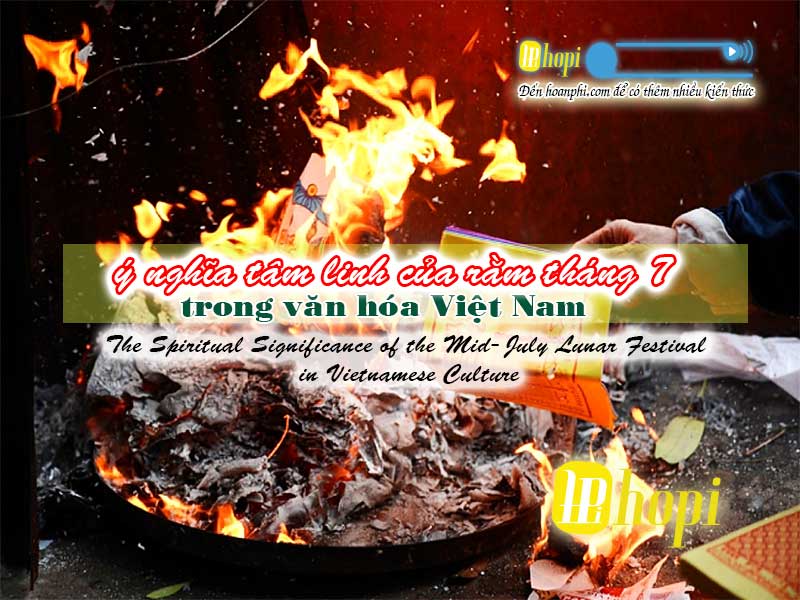
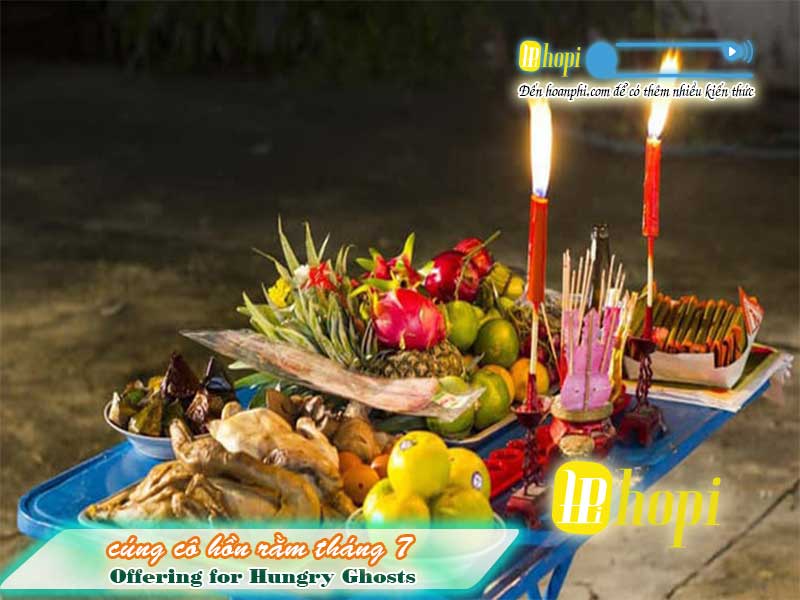
One of the most common customs during the Mid-July Lunar Festival is offering food to hungry ghosts. Vietnamese people believe that on this day, wandering souls without refuge return to the earthly realm. To avoid bad luck and to help these lonely souls, families often prepare a tray of offerings with items such as rice, salt, plain porridge, candy, and vegetarian dishes. Additionally, paper money, clothes, and other items made of paper are burned as offerings to the spirits. After the offerings, people often scatter rice and salt on the streets to allow the wandering souls to take them.
2. Vu Lan Filial Piety Ceremony
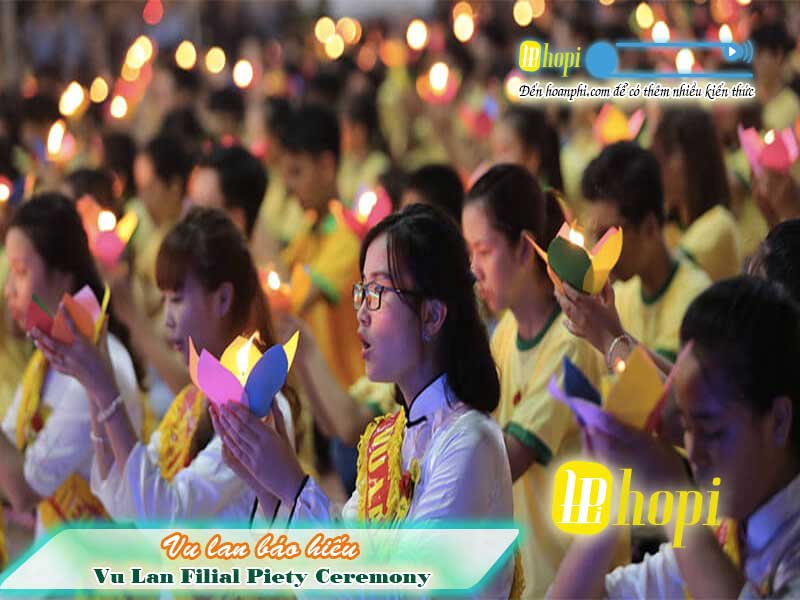
The Vu Lan Festival is also an occasion for descendants to show filial piety to their parents and grandparents. On this day, many Vietnamese people visit pagodas to pray for the souls of their ancestors to find peace and for their living parents to enjoy health and safety. One of the key rituals of the Vu Lan Festival is the flower ceremony. Those with living parents wear a red rose, while those who have lost one or both parents wear a white rose. This is a meaningful symbol, reminding everyone to always appreciate and honor familial love.
3. Trung Nguyên Festival - Ancestor Worship
In addition to offerings for hungry ghosts, families also prepare an ancestral altar with traditional dishes, fruits, wine, tea, and paper items to burn for the deceased. The ancestral worship ceremony is not only an occasion for descendants to remember their roots but also an opportunity to strengthen family bonds and teach children about the importance of remembering and honoring their ancestors.
4. Releasing Animals
Releasing animals is a compassionate act commonly practiced during Buddhist festivals, especially during the Mid-July Lunar Festival. On this day, many people buy fish, birds, or other animals to release them back into nature, symbolizing the act of freeing sentient beings from suffering while accumulating merit for themselves and their families. Releasing animals not only demonstrates kindness but also serves as a way to pray for suffering souls to find peace.
Spiritual Significance in Vietnamese Culture
The Mid-July Lunar Festival is more than just a festival; it holds deep spiritual significance. In Vietnamese culture, it is an occasion for people to connect with the spirit world, remember and honor the deceased, and reflect on love, filial piety, and morality. Through the rituals and customs of this day, Vietnamese people express gratitude to their ancestors, strengthen family ties, and extend compassion to lonely, suffering souls.
The Mid-July Lunar Festival also serves as an opportunity to educate the younger generation about the country’s beautiful traditions. Through stories, rituals, and customs, children learn to love, respect their parents and grandparents, and cherish the cultural values of their nation.
Conclusion
The 15th day of the seventh lunar month is a significant day in the spiritual culture of the Vietnamese people. It is not only a time to remember ancestors and grandparents but also an opportunity for descendants to show filial piety and accumulate merit through acts of kindness. The spiritual significance of the Mid-July Lunar Festival goes beyond rituals; it lies in the values of education, family bonding, and social compassion. This festival truly embodies the humanitarian spirit and cultural heritage of the Vietnamese people.


Để lại bình luận
Bình luận & Phản hồi
Đang tải bình luận...