


Discover the importance of data ethics in the Marketing 5.0 era. Learn how to build customer trust and sustainable growth through responsible, transparent, and secure data usage.
In the context of rapid technological development, Marketing 5.0 emerges as a necessary fusion of advanced technology and the human element. At the heart of this revolution is data—a precious resource that helps businesses understand and serve customers better than ever. However, with great power comes great responsibility. The question of ethics in collecting, processing, and using data has become more urgent than ever. It is no longer an option but a mandatory requirement for building trust and achieving sustainable growth.
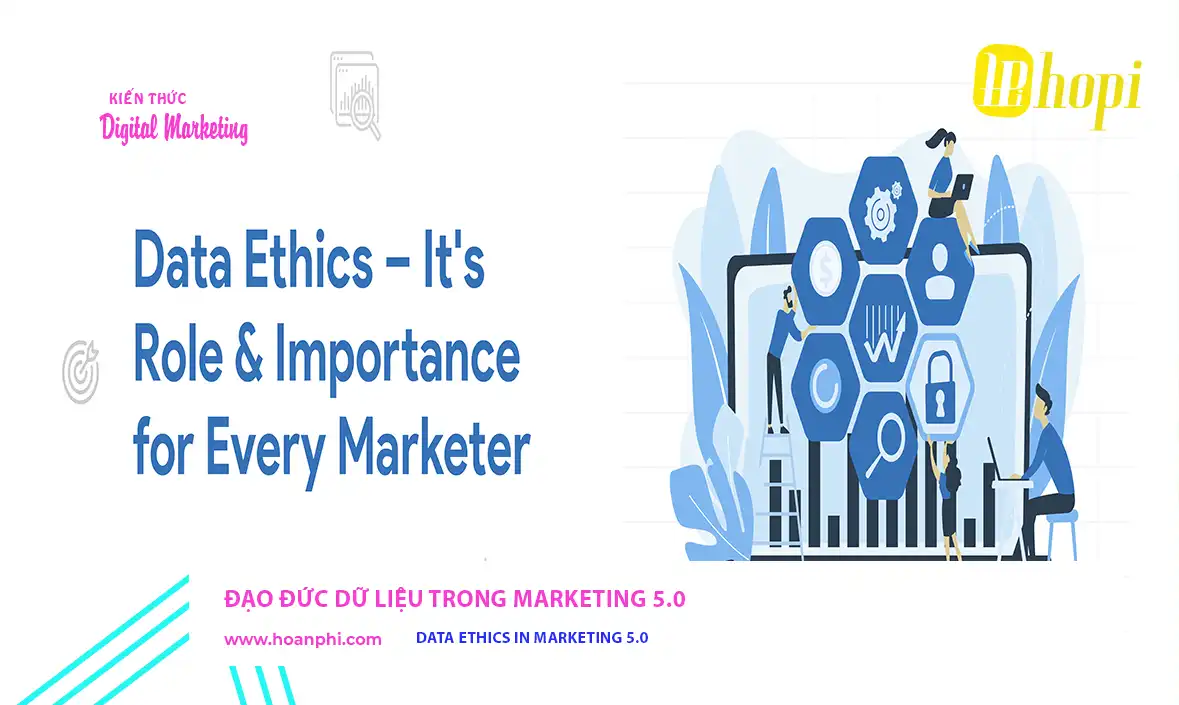
What is data ethics in marketing and why is it important?
Data ethics in marketing is a system of moral principles and values that guides the responsible collection, storage, analysis, and use of customers' personal data. It goes beyond mere legal compliance (like Europe's GDPR or Vietnam's Decree 13) to a commitment to respecting privacy, transparency, and consumer welfare.
Its importance lies in building and maintaining trust. In a world where customers are increasingly aware of the value of their personal data, a single ethical misstep can destroy a brand's reputation in an instant. Businesses that practice good data ethics will:
- Enhance customer loyalty: Customers who feel safe and respected are more likely to remain loyal for the long term.
- Create a sustainable competitive advantage: Trust is an intangible asset that is difficult to replicate.
- Minimize legal and financial risks: Avoid heavy fines and costly lawsuits related to data breaches.
- Foster responsible innovation: Encourage the development of human-centric marketing technologies and strategies.
How does Marketing 5.0 leverage customer data?
Marketing 5.0 harnesses the power of disruptive technologies to create hyper-personalized experiences. Data is collected from countless touchpoints along the customer journey, both online and offline:
- Artificial Intelligence (AI) and Machine Learning: Analyze massive datasets to predict behavior, automate customer segmentation, and personalize content and products in real-time.
- Internet of Things (IoT): Collect data from smart devices (watches, cars, home appliances) to better understand customer habits and contexts of use.
- Natural Language Processing (NLP): Analyze conversations on social media, product reviews, and customer feedback to capture sentiment and emotion.
- Augmented Reality (AR): Track how users interact with products in a virtual environment to optimize design and experience.
Thanks to these technologies, digital marketing campaigns become smarter, capable of delivering the right message to the right person at the right time on the right channel—an unprecedented level of precision.
What are the biggest ethical challenges in using data?
The power of data in Marketing 5.0 is also where the greatest ethical risks lie if not managed carefully. Businesses face several core challenges:
- Privacy and Consent: The line between helpful personalization and invasive privacy is thin. Collecting data without clear consent or gathering more than necessary is a serious violation.
- Algorithmic Bias: AI models trained on historical data can inadvertently replicate and amplify societal prejudices, leading to discrimination against certain customer groups (e.g., based on gender, race, or location).
- Behavioral Manipulation: Using psychological data to exploit customer vulnerabilities (e.g., creating a false sense of urgency, displaying ads based on fears) is unethical and can harm consumers.
- Data Security: Businesses are responsible for protecting customer data from cyberattacks. A data breach not only causes financial damage but also irrevocably erodes trust.
How can businesses build an ethical marketing strategy?
To navigate the Marketing 5.0 era successfully, businesses need to build a robust data ethics framework. This is not just the job of the IT or legal department but the responsibility of the entire organization, especially the marketing team.
1. Transparency is Key: Be open and honest with customers. Your privacy policy should be easy to read, easy to understand, and clearly state:
- What data is collected?
- Why is it collected?
- How is it used?
- Is it shared with any third parties?
Furthermore, provide customers with easy control over their data, including the right to access, edit, delete, and opt-out of collection.
2. Center on Customer Value: Before implementing any data collection or usage activity, ask yourself: "Does this genuinely provide value to the customer?" The goal must be to improve their experience, not just to blindly maximize profit. Data should be used to serve, not to surveil.
3. The Principle of Data Minimization: Only collect data that is strictly necessary for a specific, clearly defined purpose. Avoid the mindset of "collect everything just in case." This not only respects privacy but also minimizes risk in the event of a data breach.
4. Security and Protection are Top Priorities: Invest in strong security measures, data encryption, and regular security vulnerability checks. Establish a clear response plan in case a data leak occurs.
5. Ensure Fairness and Audit for Bias: Regularly audit your algorithms to detect and eliminate biases. Ensure that automated decisions do not create inequality or discrimination against any customer group.
Conclusion: Ethics is the Foundation of the Future
In the world of Marketing 5.0, data is the fuel, technology is the engine, but ethics is the steering wheel that guides the corporate ship in the right direction. Ignoring data ethics is not just a legal risk but a strategic blunder. Today's customers are smarter, more conscious, and demand greater respect. Building a marketing strategy based on transparency, respect, and real value for the customer will not only help you comply with the law but is also the only way to build a strong, beloved, and enduring brand in the digital future.


Để lại bình luận
Bình luận & Phản hồi
Đang tải bình luận...